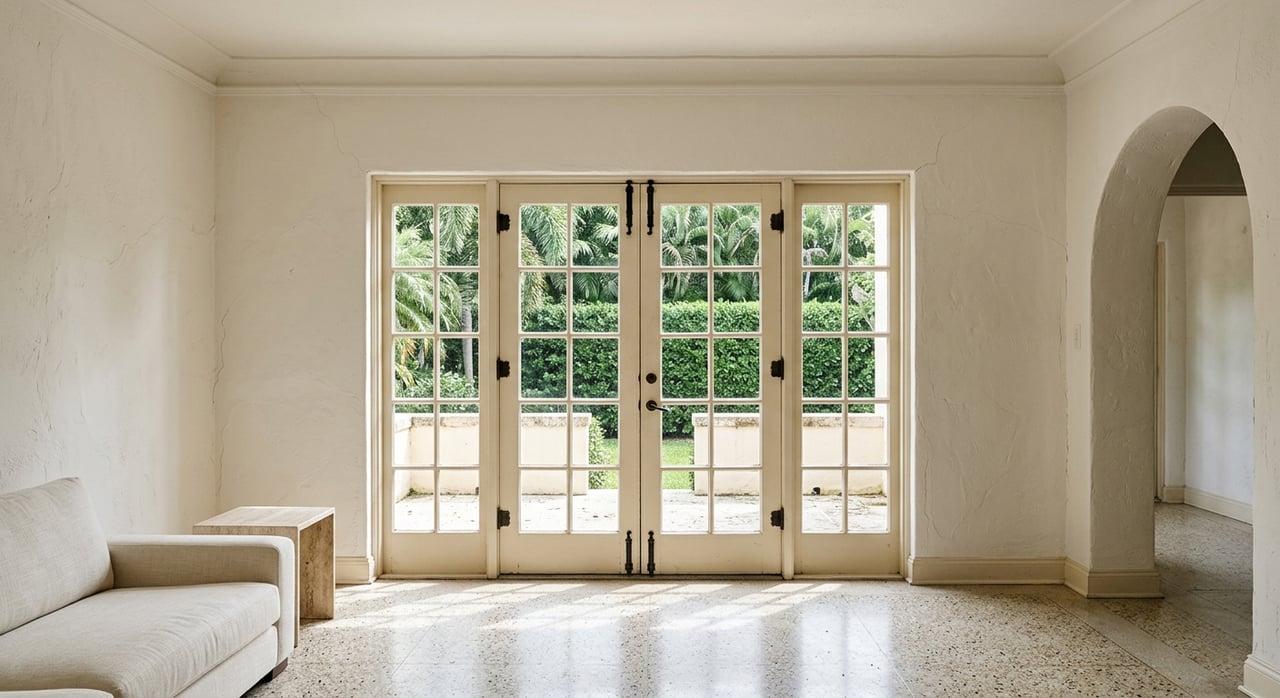
Trying to choose between a sleek new build and a character-filled older home in West Palm Beach? You are not alone. In this market, the decision is rarely just about age. It is about lifestyle, upkeep, renovation rules, and how much flexibility you want after closing. If you are weighing West Palm Beach new construction vs historic homes, this guide will help you compare the real tradeoffs with local context in mind. Let’s dive in.
West Palm Beach Has Two Distinct Housing Paths
West Palm Beach has a housing story shaped by preservation and redevelopment. The city was incorporated in 1894, and today its preservation program includes 18 locally designated historic districts and 46 individually designated sites.
That means your choice is often less about old versus new and more about established neighborhood fabric versus newer code-driven development. Historic and older-stock areas documented by the city include El Cid, Flamingo Park, Grandview Heights, Old Northwood, Northboro Park, and Historic Northwest. Newer mixed-use and residential development has been concentrated in areas such as downtown, Clearlake, NORA, and Northwood Village.
What New Construction Offers
For many buyers, new construction brings peace of mind. A newer home is more likely to offer a predictable move-in condition, newer major systems, and fewer near-term repairs.
That matters in Florida, where building standards and documentation can affect not only comfort but also insurance planning. Homes permitted after December 31, 2023, are built under the Florida Building Code, 8th Edition, including the current statewide energy-conservation framework.
New homes often mean fewer early surprises
A new home is not maintenance-free, but it usually gives you a more predictable first few years. Roofs, windows, doors, HVAC systems, and other major components are simply newer.
For buyers relocating from out of state or moving up into a larger home, that can be a major advantage. You may spend less time coordinating immediate repairs and more time settling into the property.
New construction usually allows more exterior flexibility
In many newer areas, you will generally face fewer exterior design restrictions than you would in a historic district. That can make future updates simpler if you want to personalize the home later.
West Palm Beach does carefully manage downtown redevelopment through its Downtown Master Plan. Even so, the overall experience for many buyers is a more straightforward path than owning a home in a historic district with preservation review.
Modern layouts can better match current living patterns
New construction often appeals to buyers who want layouts designed for how people live today. That may include more open living spaces, newer kitchens, flexible bonus rooms, and a more seamless indoor-outdoor flow.
If your priority is convenience and ease, that can tip the scale toward newer inventory.
What Historic Homes Offer
Historic homes in West Palm Beach attract buyers who want something that feels rooted in place. These homes are often tied to architecture and neighborhood identity that newer construction cannot fully replicate.
The city’s preservation guidance references styles such as bungalow, Craftsman, frame vernacular, Mission, Spanish Colonial, Mediterranean, Colonial, Ranch, and midcentury. If you value original details and a sense of history, older homes can offer a living experience that feels more distinctive.
Historic homes deliver character
This is usually the biggest reason buyers choose an older home. You may be drawn to original proportions, mature streetscapes, classic facades, or the feeling of living in a neighborhood with a long-established identity.
In West Palm Beach, historic districts are intended to maintain architectural design and neighborhood context while still allowing interior modernization and additions that respect the original structure.
You can modernize the interior
Buying historic does not mean living in the past. The city allows interior updates, and many buyers successfully blend older architecture with modern kitchens, baths, and systems.
The key distinction is that exterior changes often face a different level of review than interior work. General maintenance that does not require a permit, such as painting or minor exterior repair, does not require additional historic review.
Historic homes may offer a local tax benefit
West Palm Beach has a historic ad valorem tax exemption program. According to the city, designated historic properties can qualify for an exemption on the assessed value of improvements for up to ten years.
There is an important catch. The application must be approved before work begins. If you are considering a qualifying historic property and planning renovations, timing matters.
The Biggest Tradeoff Is Exterior Review
If you are comparing West Palm Beach new construction vs historic homes, this is one of the most important differences to understand. Historic ownership often comes with more exterior-review rules.
West Palm Beach requires a Certificate of Appropriateness for work that changes the exterior appearance of a historic property. Review can apply to additions, demolition requests, and new construction, and all sides of the building are considered.
Common exterior projects may need approval
The city identifies roofs, windows, siding, fences, decks, pergolas, sheds, and site walls as common items that may need review. Landscaping itself is generally not subject to historic review.
That means a project that seems simple at first can require more planning than expected. In some cases, product choices are also limited. For example, the city notes that vinyl is generally not permitted for windows or fences in historic districts.
Historic compatibility shapes what you can do
Not every material or design choice will fit every historic home. City guidance notes that metal roofs may suit some historic styles but not others, and some window or roof substitutions can be visually incompatible with pre-war houses.
Additions are generally expected to be placed to the side or rear and stepped back from the front facade. If preserving curb appeal matters to you, these standards may feel worthwhile. If you want broad design freedom, they may feel restrictive.
Maintenance, Insurance, Flood, and Energy Matter
Beyond style, the practical side of ownership often decides which path feels right. In West Palm Beach, that means paying close attention to maintenance exposure, insurance documentation, flood risk, and energy performance.
Maintenance is usually more predictable in newer homes
New homes tend to reduce near-term maintenance uncertainty because major components are newer and built under current code. That does not guarantee zero repairs, but it often creates a more manageable ownership experience early on.
Historic homes can absolutely be rewarding to own, but they often require more coordination before exterior work begins. If you want a lower-maintenance start, newer construction may feel easier.
Flood insurance should be checked on every property
Flood questions matter whether the home is old or new. West Palm Beach notes that its Community Rating System Class 5 status equates to a 25 percent discount on National Flood Insurance Program policies issued in the city.
The city also states that homeowners insurance typically does not cover flood damage, that flood insurance is available even outside a flood zone, and that there is usually a 30-day waiting period before coverage takes effect.
Palm Beach County’s updated flood insurance rate maps were projected to become effective in December 2024, with county map notes created for panels effective December 20, 2024. For buyers, the takeaway is simple: rely on current flood-zone data, not old assumptions about the neighborhood.
Wind-mitigation details can affect insurance planning
Florida law requires insurers to notify policyholders about available mitigation credits for windstorm-resistant features and to accept a uniform mitigation verification form.
In practice, newer homes often start with more code-aligned wind features. Older homes may still qualify for savings, but you will likely need to be more intentional about inspections, roof records, and product approvals.
Energy efficiency often favors newer construction
New construction has a built-in edge because it is built under the current Florida code framework, including energy-conservation standards.
Historic homes can still be improved. West Palm Beach’s preservation FAQ says contributing historic buildings are exempt under the Florida Building Code’s Existing Buildings provisions from meeting energy requirements, but owners can still improve efficiency with storm windows, added insulation, and better sealing around foundations and plumbing penetrations.
Which Home Type Fits Your Priorities?
The right answer depends on how you want to live and what kind of ownership experience feels comfortable to you.
New construction may be the better fit if you want:
- more predictable upkeep in the first years after purchase
- fewer exterior design restrictions
- current-code construction
- a simpler documentation story for some insurance questions
- layouts that better reflect modern living patterns
Historic homes may be the better fit if you want:
- architectural character and original design details
- established neighborhood identity
- a home with a stronger sense of place
- the option to modernize interiors while preserving exterior character
- potential access to a local historic tax incentive if the property qualifies and approvals happen before work begins
Smart Questions to Ask Before You Buy
No matter which direction you lean, your due diligence should be specific to West Palm Beach.
Ask these questions before you move forward:
- Is the property in a flood zone, and what do the current maps show?
- What is the roof age?
- Are wind-mitigation records available?
- Are the windows and doors impact-rated or otherwise documented for insurance purposes?
- If the home is historic, is it contributing, noncontributing, or individually designated?
- If you want to change the exterior, will the work need staff review, Historic Preservation Board approval, or a Certificate of Appropriateness?
How to Make the Right Choice in West Palm Beach
If you want a home that feels turnkey, easier to maintain in the near term, and more aligned with current code standards, new construction may be the more comfortable fit. This is often especially appealing if you are relocating, buying a second home, or simply want fewer unknowns.
If you want architecture, neighborhood character, and a deeper connection to West Palm Beach’s built history, a historic home may be the better match. You just need to go in with a clear understanding of exterior-review rules, upgrade planning, and long-term maintenance.
In a market like West Palm Beach, both paths can be smart. The key is matching the property to your priorities, your timeline, and how hands-on you want to be as an owner. If you want expert guidance tailored to your goals in Palm Beach County, Greg Forest can help you evaluate the tradeoffs and make a confident move.
FAQs
What is the main difference between new construction and historic homes in West Palm Beach?
- New construction usually offers newer systems, current-code construction, and fewer exterior design restrictions, while historic homes typically offer more character and neighborhood identity but often require exterior review for changes.
Do historic homes in West Palm Beach require approval for exterior work?
- Yes. West Palm Beach requires a Certificate of Appropriateness for exterior changes to historic properties, and review may apply to items such as windows, roofs, additions, and demolition requests.
Can you renovate the inside of a historic home in West Palm Beach?
- Yes. Interior modernization is allowed, but exterior work is where historic review rules typically become more important.
Are there tax benefits for historic homes in West Palm Beach?
- Some designated historic properties may qualify for a city historic ad valorem tax exemption on the assessed value of improvements for up to ten years, but the application must be approved before work begins.
Is flood insurance important for both new and historic homes in West Palm Beach?
- Yes. The city states that homeowners insurance typically does not cover flood damage, flood insurance may be available even outside a flood zone, and buyers should review current flood-zone data for any property they are considering.
Are newer homes in West Palm Beach usually more energy efficient?
- In general, yes. New homes are built under the current Florida Building Code framework, including energy-conservation standards, while historic homes usually rely on retrofit improvements to increase efficiency.