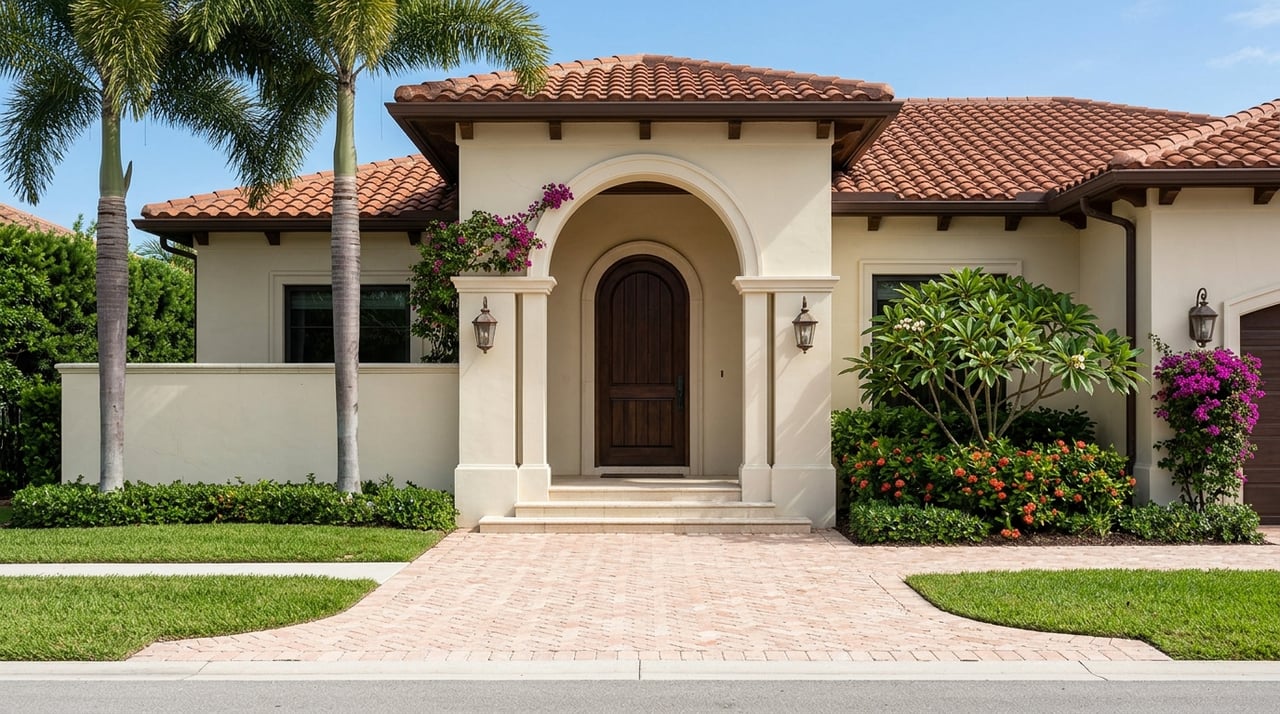
What does luxury look like when it becomes part of your normal routine? On the island of Palm Beach, it often looks less like a special occasion and more like your daily backdrop, from morning walks by the water to errands near Worth Avenue and evenings shaped by culture, architecture, and the changing season. If you are thinking about buying, selling, or simply understanding what life here really feels like, this guide will help you see how Palm Beach luxury works in everyday life. Let’s dive in.
Palm Beach luxury is a daily experience
In the Town of Palm Beach, luxury is not limited to a home’s finishes or address. The town’s vision emphasizes exceptional quality of life, small-town character, heritage, and environmental stewardship, which helps explain why the island feels so distinct.
That difference shows up in how you move through the day. Your routine can include water views, walkable destinations, preserved architecture, and a social calendar that changes with the season. In Palm Beach, the setting shapes the lifestyle as much as the home itself.
Water shapes the island lifestyle
One of the clearest parts of everyday life on the island is access to the waterfront. The town reports nearly six miles of Lake Trail stretching from the Royal Park Bridge to the North End, giving residents a scenic route for walking, jogging, and biking.
That trail is more than an amenity. It creates a rhythm for the day, whether you head out early in the morning or enjoy a slower pace near sunset. For many residents, this kind of access is part of what makes Palm Beach feel effortless.
The town also says Palm Beach has more than 12 miles of beachfront, including 3 miles of public beaches. Two public beaches offer ocean-rescue coverage year-round, which adds to the sense that the shoreline is an active part of town life, not just a view from a distance.
At the same time, beach living here is carefully managed. As of June 2026, the town reports ongoing coastal-protection work and beach-access closures in parts of Midtown, which is an important reminder that waterfront living on Palm Beach comes with active stewardship and changing conditions.
Worth Avenue adds walkable convenience
Luxury on Palm Beach also means many errands and outings can feel more personal and less routine. Worth Avenue serves as the island’s retail and dining corridor, with boutiques and outdoor dining close to the ocean.
For residents, that can translate into a more walkable day-to-day experience. Instead of driving to a typical commercial area, you may be able to combine a casual walk with shopping, dining, or meeting friends nearby.
This kind of convenience matters when you think about lifestyle fit. Buyers who want a lock-and-leave property or sellers marketing an in-town residence often find that walkability is one of the island’s strongest everyday advantages.
Culture is part of the routine
Palm Beach living is not only about sun and water. It also includes a strong cultural layer that helps fill out daily life, especially during the busier part of the year.
The Society of the Four Arts sits on a 10-acre Intracoastal campus and offers concerts, lectures, films, exhibitions, libraries, gardens, and lifelong-learning programming. Much of that activity is concentrated from November through May, which gives residents a steady flow of things to do during the season.
The Flagler Museum adds another dimension. Set in the former Whitehall estate, it gives the island a visible connection to its Gilded Age past and reinforces how closely Palm Beach ties lifestyle to place and history.
For buyers, this matters because location on the island is about more than proximity to the beach. It can also mean access to cultural institutions that become part of how you spend your week.
Seasonality changes the pace
Palm Beach is a year-round town, but it has a very clear seasonal rhythm. According to the town’s history page, roughly 9,000 residents live there year-round, while about 20,000 more maintain seasonal homes and enjoy the winter months.
That seasonal pattern affects more than population. It shapes traffic, social activity, cultural programming, and the general pace of the island.
Town updates reference seasonal traffic congestion and holiday events, while private clubs and cultural institutions adjust programming and hours around the busier winter stretch. Taken together, those details point to a lifestyle that becomes more active from late fall through spring than it does in midsummer.
If you are buying, that seasonality can influence what kind of home will fit you best. If you are selling, it can also affect timing, presentation, and how your property is positioned to seasonal and second-home buyers.
Homes reflect lifestyle and history
Palm Beach homes are known for luxury, but they are also deeply shaped by preservation. The town says more than 328 landmark properties, sites, and vistas are protected, and its comprehensive plan notes a wide range of historic buildings and regional architectural adaptations.
That preserved character is part of what gives the island its visual identity. While Mediterranean Revival is strongly associated with Palm Beach, the historic fabric also includes Shingle Style, Beaux-Arts, Moderne, and Craftsman-era examples.
The Preservation Foundation highlights architects such as Addison Mizner, Marion Sims Wyeth, Maurice Fatio, Belford Shoumate, and John Volk. Their work helps explain why Palm Beach feels layered rather than uniform, with homes that range from classic revival estates to later modern interpretations.
For many buyers, that architectural range is a major part of the appeal. The home is not just a residence. It is often a lifestyle choice tied to setting, design, and maintenance expectations.
Common property types on the island
Several property categories tend to align with how people want to live in Palm Beach:
- Oceanfront estates for direct beach proximity and privacy
- Lakefront or Intracoastal homes for water views and boating-oriented living
- In-town condominiums for walkability and a lower-maintenance routine
- Historic cottages and restored estates for architectural character and heritage
Each option supports a different version of Palm Beach living. Some buyers prioritize privacy and shoreline access, while others care more about being close to Worth Avenue, cultural venues, or a simpler lock-and-leave setup.
This is where lifestyle clarity matters. The right property is often the one that best matches how you want to spend your time on the island, not just the one with the most impressive specs.
Preservation affects ownership
On Palm Beach, ownership often comes with added layers of review and care. The town’s planning and zoning department supports both the Architectural Commission and the Landmark Preservation Commission, and landmarked properties are reviewed for changes and alterations through the preservation process.
That does not make historic ownership less appealing. It simply means buyers should understand that architectural significance can come with oversight.
For sellers, this context also matters. A home’s historic status, architectural pedigree, and location within the island’s preserved landscape can all shape how the property is marketed and how buyers evaluate it.
Practical details matter in Palm Beach
Palm Beach is polished, but it is also highly managed. The town emphasizes preservation, zoning standards, public beaches, and public services, while local departments handle zoning, permits, and landmark review.
Coastal conditions are another part of the equation. As of June 2026, the town’s coastal-protection updates show ongoing renourishment work and access closures, and the storm re-entry page makes clear that island access can change after hurricanes.
That means buying or selling here requires more than a quick look at finishes and views. You also want to understand access, upkeep, approvals, and how a property fits into the island’s broader infrastructure.
How to choose the right Palm Beach fit
If you are exploring Palm Beach, it helps to think beyond the word luxury and focus on how you actually want to live. A beautiful home only works if it supports your preferred pace, habits, and priorities.
Ask yourself a few practical questions:
- Do you want to walk to dining, shopping, and cultural destinations?
- Is direct ocean access your top priority?
- Would you rather have lower-maintenance condo living?
- Are you drawn to historic architecture and the responsibilities that may come with it?
- Will you use the home seasonally or year-round?
These questions can narrow your focus quickly. On the island of Palm Beach, everyday luxury is really about alignment between home, location, and lifestyle.
Why local guidance matters
Because Palm Beach combines luxury, preservation, seasonality, and coastal realities, both buyers and sellers benefit from a strategy tailored to the island. The right guidance can help you evaluate not only value, but also fit.
For buyers, that may mean comparing an in-town condominium with a waterfront estate based on maintenance, walkability, and seasonal use. For sellers, it may mean presenting a property in a way that speaks clearly to second-home buyers, local luxury buyers, or those seeking architectural distinction.
The Greg Forest Group brings local Palm Beach market knowledge, concierge-style service, and hands-on transaction management to help clients move with clarity and confidence. If you are considering your next move on the island, Greg Forest can help you request a private market consultation.
FAQs
What makes everyday luxury different in Palm Beach?
- In Palm Beach, everyday luxury is shaped by waterfront access, walkability, cultural programming, seasonal activity, and preserved architecture, not just by home size or price.
What is the Lake Trail in Palm Beach used for?
- The Lake Trail is a nearly six-mile route used by walkers, joggers, and bikers, running from the Royal Park Bridge to the North End.
What should Palm Beach buyers know about beach access?
- The town reports public beach access, year-round ocean-rescue coverage at two public beaches, and ongoing coastal-protection work that can lead to access closures in some areas.
What types of homes are common on the island of Palm Beach?
- Common property types include oceanfront estates, Lake Worth or Intracoastal homes, in-town condominiums, and historic cottages or restored estates.
What should buyers know about historic homes in Palm Beach?
- Historic and landmarked properties may be subject to review for changes and alterations through the town’s preservation process.
Why does seasonality matter in the Palm Beach market?
- The island has a larger winter-season population, which can affect traffic, social activity, cultural programming, and the timing of buying and selling decisions.