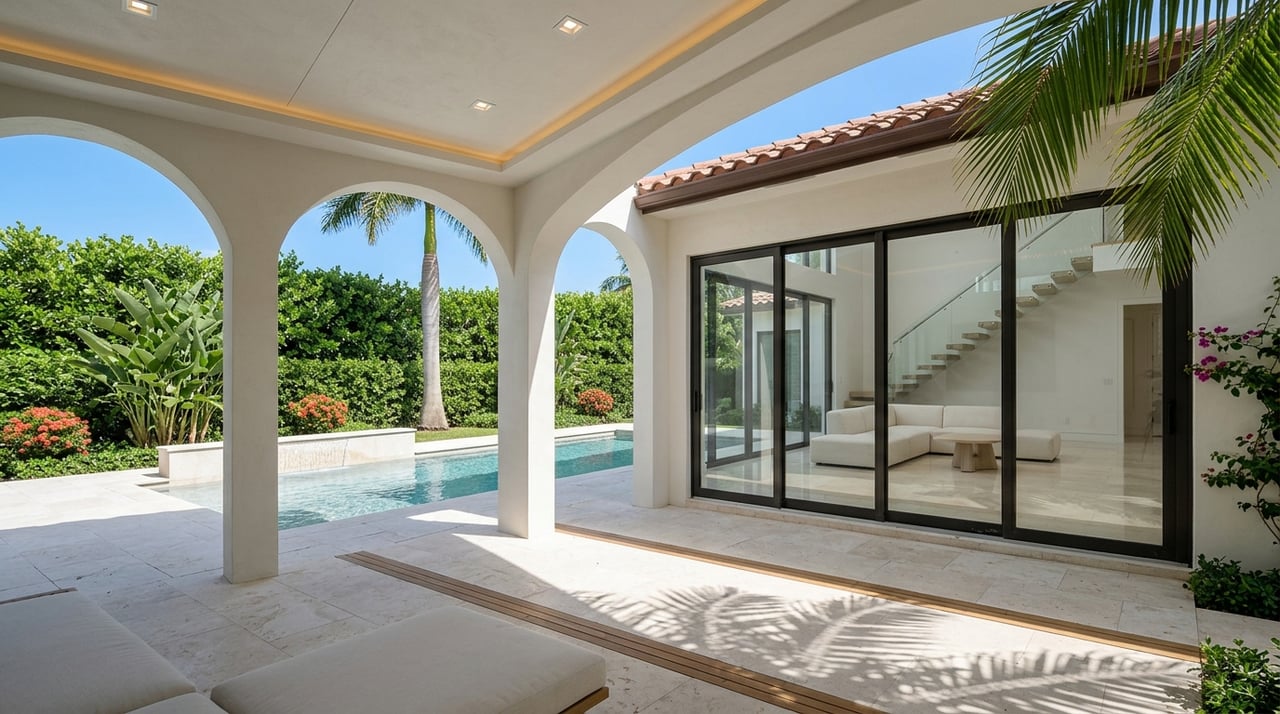
Trying to choose between a Palm Beach condo and a Palm Beach estate? You are not just picking a property type. You are choosing how you want to live, what kind of upkeep you want to manage, and how much control you want over your space. If you are weighing convenience against privacy, or seasonal ease against long-term flexibility, this guide will help you sort through the decision with local context in mind. Let’s dive in.
Palm Beach Homes Start With Lifestyle
In Palm Beach, condos and estates sit in two very different lanes of the market. The Town’s long-range planning makes that clear, with single-family residential remaining the predominant future land-use category and a stated focus on preserving the island’s beauty and small-town character.
That matters because your choice is not only about square footage or price. It is also about how the property fits the rhythm of life you want in Palm Beach, whether that means a lock-and-leave residence or a more private home with room to shape over time.
Why Condos Appeal to Many Buyers
A condo can be a strong fit if you want a simpler ownership experience. Many buyers are drawn to condominiums because they offer fewer exterior maintenance demands and can work well for seasonal use or a second home base.
Under Florida law, a condominium includes ownership of your unit plus an undivided share in the common elements. That means you are not just buying the interior space. You are also buying into the building’s systems, governance, budgets, and rules.
Condo Benefits to Consider
If convenience is high on your list, a condo may check the right boxes. Common advantages often include:
- Easier lock-and-leave ownership
- Fewer exterior chores for the owner
- Building-level maintenance responsibilities handled by the association
- A practical option for seasonal residents or relocating professionals
For many buyers, that convenience is the main draw. If you travel often or do not want to manage a large property from afar, a condo can feel more streamlined.
Condo Trade-Offs in Palm Beach
The trade-off is that condo ownership comes with more shared decision-making. You may have less privacy, more building rules, and more dependence on how the association handles reserves, repairs, and planning.
In Florida, updated condo laws also make building condition and reserve funding more important in resale decisions. Many buildings that are three habitable stories or higher must complete milestone inspections and structural integrity reserve studies on set timelines, and the Town of Palm Beach requires Phase 1 milestone inspections within 180 days of notice from the building official.
That means condo due diligence in Palm Beach should go far beyond finishes and views. You need to understand the association’s financial health, inspection status, and any future cost exposure.
Why Estates Stand Apart
If privacy, control, and customization matter most to you, an estate may be the better fit. Single-family homes align closely with the Palm Beach island pattern, where single-family residential remains the dominant land-use direction.
An estate gives you more say over how the property functions day to day. You may have more flexibility for outdoor living, guest accommodations, site improvements, and long-term design choices.
Estate Benefits to Consider
Buyers who choose estates are often prioritizing control over convenience. Common advantages include:
- More privacy
- Greater control over the property
- More room for outdoor living and guest space
- More flexibility for future updates or customization
That added control can be especially valuable if you plan to hold the property for years. In many cases, the land, location, and architectural character become central to long-term value.
Estate Responsibilities to Expect
The flip side is that responsibility shifts to you. Instead of relying on an association for building-wide decisions, you are managing maintenance, systems, insurance planning, and property oversight directly.
That is especially important in a coastal market. Palm Beach County uses FEMA flood maps as the basis for floodplain regulation, and the Town notes that standard homeowners insurance does not cover flooding. The Town is also a Class 6 National Flood Insurance Program community, which provides a 20% discount on NFIP flood policies.
In short, estates offer more freedom, but they also require more hands-on ownership planning.
Market Differences Between Condos and Estates
Palm Beach buyers should also understand that condos and estates operate in separate supply pools. In the Town of Palm Beach, first quarter 2025 data showed 388 condo and co-op residences in inventory compared with 105 single-family homes.
Sales activity also reflected that split. There were 69 condo and co-op closings versus 32 single-family closings, while median sale prices were about $1.4 million for condo and co-op properties and $13.9 million for single-family homes.
At the county level, the pattern also points to a softer condo environment. Palm Beach County’s May 2025 figures showed a 10.2-month supply for existing condominiums compared with a 5.8-month supply for single-family homes.
What That Means for You
If you are shopping condos, you may see more options and a market that is generally more favorable to buyers. That can create room to compare buildings carefully and stay disciplined on value.
If you are shopping estates, you are often dealing with a tighter supply pool. In that segment, value may depend more heavily on land, location, and the distinct character of the property.
Resale Factors You Should Weigh
Resale is not driven by the same factors for both property types. In Palm Beach, condo resale tends to be more sensitive to building-level issues and price-point competition.
For condos, key resale drivers include:
- Reserve funding
- Inspection history
- Special assessment risk
- Rental rules
- Buyer perception of financing and building condition
Florida’s condo statute now requires disclosures in sales contracts related to milestone inspections and structural integrity reserve studies. For older coastal buildings in particular, those documents have become a major part of resale readiness and buyer confidence.
For estates, resale tends to tie more closely to land, location, and architectural uniqueness. A buyer may focus less on association governance and more on the site itself, the home’s condition, and the property’s long-term usability.
Rental Rules Matter in Palm Beach
If rental flexibility is part of your plan, pay close attention to local rules before you buy. In residential areas of Palm Beach, occupancy is intended to be permanent or semipermanent for not less than three months.
The Town also states that single-family homes are not permitted to be rented more than three times per calendar year. That makes Palm Beach very different from markets where short-term rental use is common.
For both condos and estates, rental rules should be part of your upfront screening. With condos, you also need to review building-specific restrictions in addition to Town rules.
Taxes and Holding Costs Can Change the Math
Your intended use of the property can affect ongoing ownership costs. Palm Beach County’s Property Appraiser states that homestead exemption applies to a permanent, legal residence, with applications due by March 1.
The county also explains that homesteaded properties are generally subject to the 3% Save Our Homes cap, while non-homestead properties, including second homes, are generally subject to the 10% cap. If you are relocating and expect to make the home your primary residence, that can materially affect your long-term cost structure.
This is one reason the right choice is not always obvious from the list price alone. A condo and an estate may carry very different tax, insurance, and maintenance realities depending on how you plan to use them.
A Simple Way to Decide
If you want a low-maintenance Palm Beach base, a condo is often the cleaner fit. It may suit you well if you value convenience, building services, and a home that is easier to leave for part of the year.
If you want more privacy and long-term control, an estate is often the better answer. It may be the stronger choice if outdoor space, flexibility, and customization matter more than streamlined ownership.
Ask Yourself These Questions
Before you choose, it helps to answer a few practical questions:
- Will this be your primary home, seasonal home, or second home?
- How much maintenance do you want to manage directly?
- How important are privacy and lot control?
- Are rental restrictions a major factor for your plans?
- Are you comfortable reviewing condo budgets, reserves, and inspection records?
- Do you want future flexibility for expansion, redesign, or outdoor improvements?
In Palm Beach, the best decision usually comes from matching the property type to your real day-to-day needs. When your lifestyle, holding plan, and due diligence all line up, the choice becomes much clearer.
Whether you are comparing a waterfront condo, a classic in-town residence, or a private coastal estate, working with a local advisor can help you evaluate the details that matter most. For tailored guidance and discreet, hands-on support, Greg Forest can help you navigate the Palm Beach market with confidence.
FAQs
What is the main difference between Palm Beach condos and estates?
- Palm Beach condos usually appeal to buyers who want lower-maintenance ownership and building-managed responsibilities, while estates usually appeal to buyers who want more privacy, control, and flexibility over the property.
Are Palm Beach condos more buyer-friendly than single-family homes right now?
- Current market data shows more condo inventory and a longer supply of condos countywide than single-family homes, which suggests condo buyers may have more options and a more favorable negotiating environment.
What condo documents matter most when buying in Palm Beach?
- In Palm Beach, buyers should closely review association budgets, reserve funding, inspection history, structural integrity reserve study information, milestone inspection disclosures, and any rental or use restrictions.
Are Palm Beach estates easier to customize than condos?
- In general, yes. Estates usually offer more control over the site and improvements, while condos are subject to association rules and shared building systems.
Can you rent out a Palm Beach home for short stays?
- In Palm Beach residential areas, occupancy is intended to be permanent or semipermanent for not less than three months, and single-family homes are not permitted to be rented more than three times per calendar year.
How does homestead status affect Palm Beach ownership costs?
- Palm Beach County states that homesteaded properties are generally subject to a 3% assessment cap under Save Our Homes, while non-homestead properties, including second homes, are generally subject to a 10% cap, which can affect long-term holding costs.